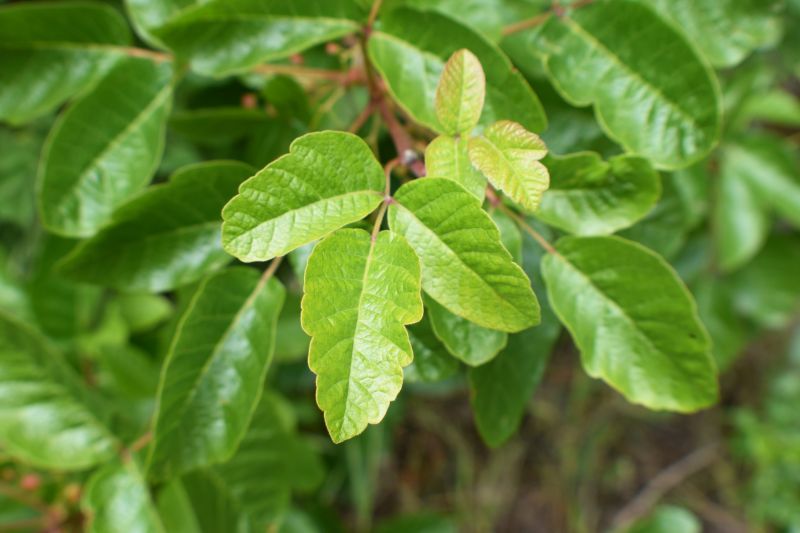
Poison Oak Removal in Delaware County, PA
Poison oak removal services are designed to safely and effectively eliminate this hazardous plant from residential properties. These services typically involve identifying and carefully removing poison oak from yards, gardens, and other outdoor spaces to prevent skin irritation and allergic reactions for homeowners and their families. Projects can range from clearing small patches in landscaped areas to larger-scale removals in wooded or overgrown sections of a property, ensuring the area is safe for outdoor activities and landscaping efforts.
Property owners interested in poison oak removal should understand the importance of proper identification and removal techniques to prevent regrowth and exposure. It’s helpful to know the extent of the affected area, whether the plant is in easily accessible locations, and if there are any nearby structures or plants that require special care during removal. Consulting with professionals can provide guidance on the best approach to keep outdoor spaces safe and poison oak-free.
Many property owners in Delaware County, PA look into Poison Oak Removal for repairs, replacements, upgrades, and appearance-related improvements.
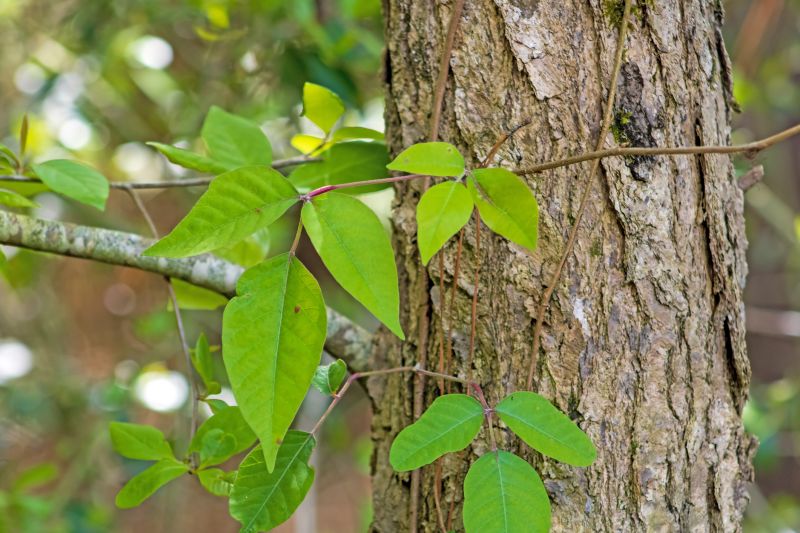
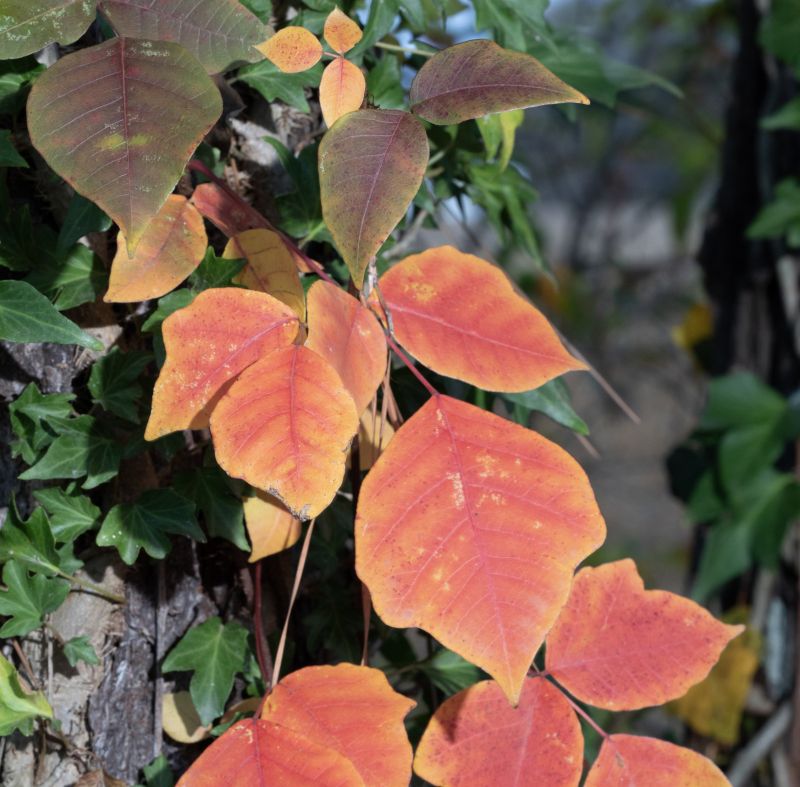
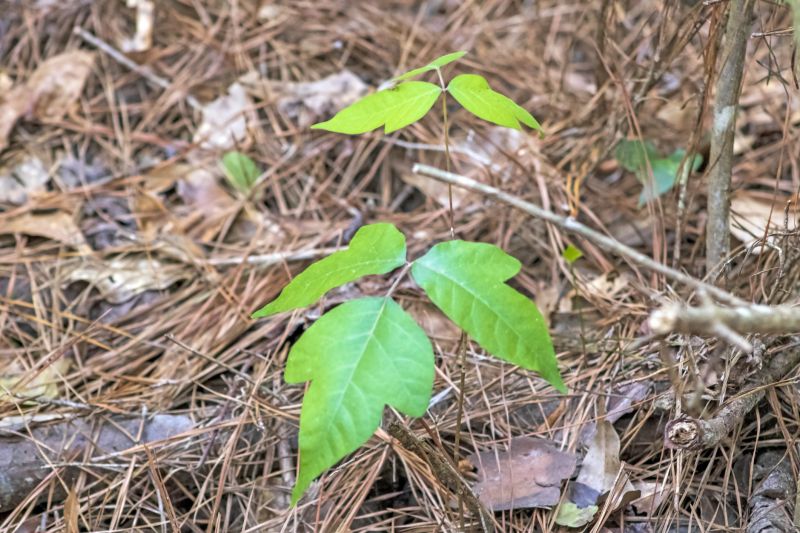
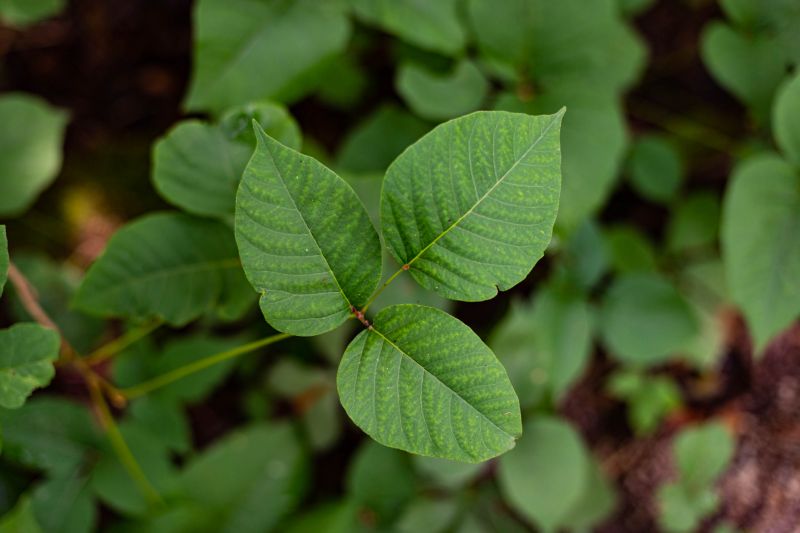
Poison Oak Identification
Understanding how to recognize poison oak is essential for safe property management in delaware county, pa.
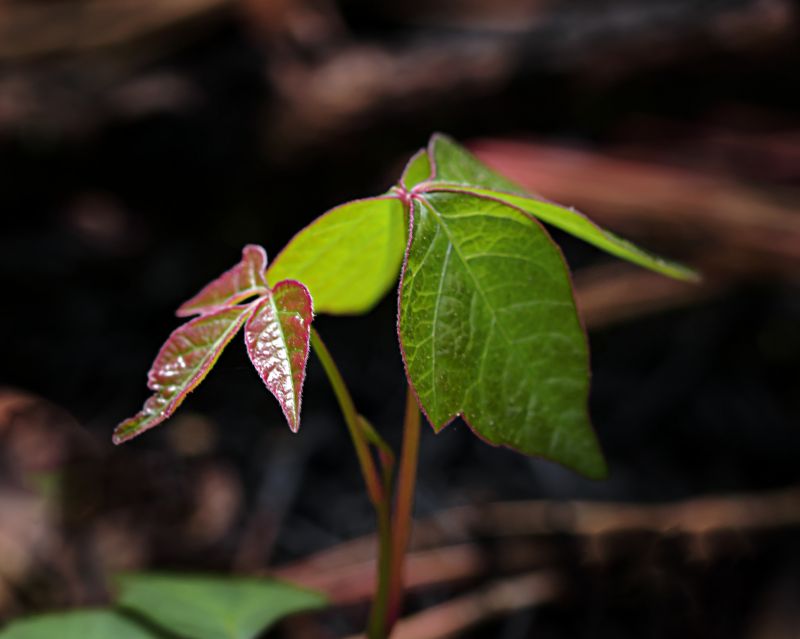
Hazard Prevention
Removing poison oak helps prevent skin irritation and allergic reactions for residents and visitors alike.
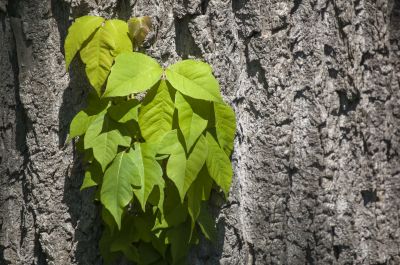
Property Safety Solutions
Effective poison oak removal can restore outdoor spaces and ensure safe access for families and outdoor enthusiasts.
Poison Oak Removal in Delaware County, PA

Poison oak removal services are designed to safely and effectively eliminate this hazardous plant from residential properties. These services typically involve identifying and carefully removing poison oak from yards, gardens, and other outdoor spaces to prevent skin irritation and allergic reactions for homeowners and their families. Projects can range from clearing small patches in landscaped areas to larger-scale removals in wooded or overgrown sections of a property, ensuring the area is safe for outdoor activities and landscaping efforts.
Property owners interested in poison oak removal should understand the importance of proper identification and removal techniques to prevent regrowth and exposure. It’s helpful to know the extent of the affected area, whether the plant is in easily accessible locations, and if there are any nearby structures or plants that require special care during removal. Consulting with professionals can provide guidance on the best approach to keep outdoor spaces safe and poison oak-free.
Many property owners in Delaware County, PA look into Poison Oak Removal for repairs, replacements, upgrades, and appearance-related improvements.
Common Poison Oak Removal Jobs
Poison Oak Removal - Safe removal of poison oak from yards and landscaping areas.
Yard Clearing - Clearing overgrown poison oak to restore outdoor spaces.
Brush and Shrub Removal - Removing poison oak-infested shrubs and undergrowth.
Property Maintenance - Preventing poison oak regrowth through targeted removal.
Vegetation Control - Managing invasive plants including poison oak on residential properties.
Landscaping Cleanup - Ensuring safe and clean outdoor environments after poison oak removal.
Poison Oak Removal Questions
What is poison oak removal? Poison oak removal involves safely eliminating the plant to prevent skin irritation and property contamination.
When should poison oak be removed? Removal is recommended when poison oak is present in areas frequented by people or pets to reduce exposure risk.
How is poison oak typically removed? The process includes carefully cutting and removing the plants, often followed by disposal to prevent regrowth.
Is poison oak removal safe for property landscapes? Yes, experienced removal minimizes damage to surrounding plants and ensures thorough elimination of the plant.
Request Poison Oak Removal in Delaware County, PA
Use the quote form on this page to share the basics of your project and request more information for the type of work you need.